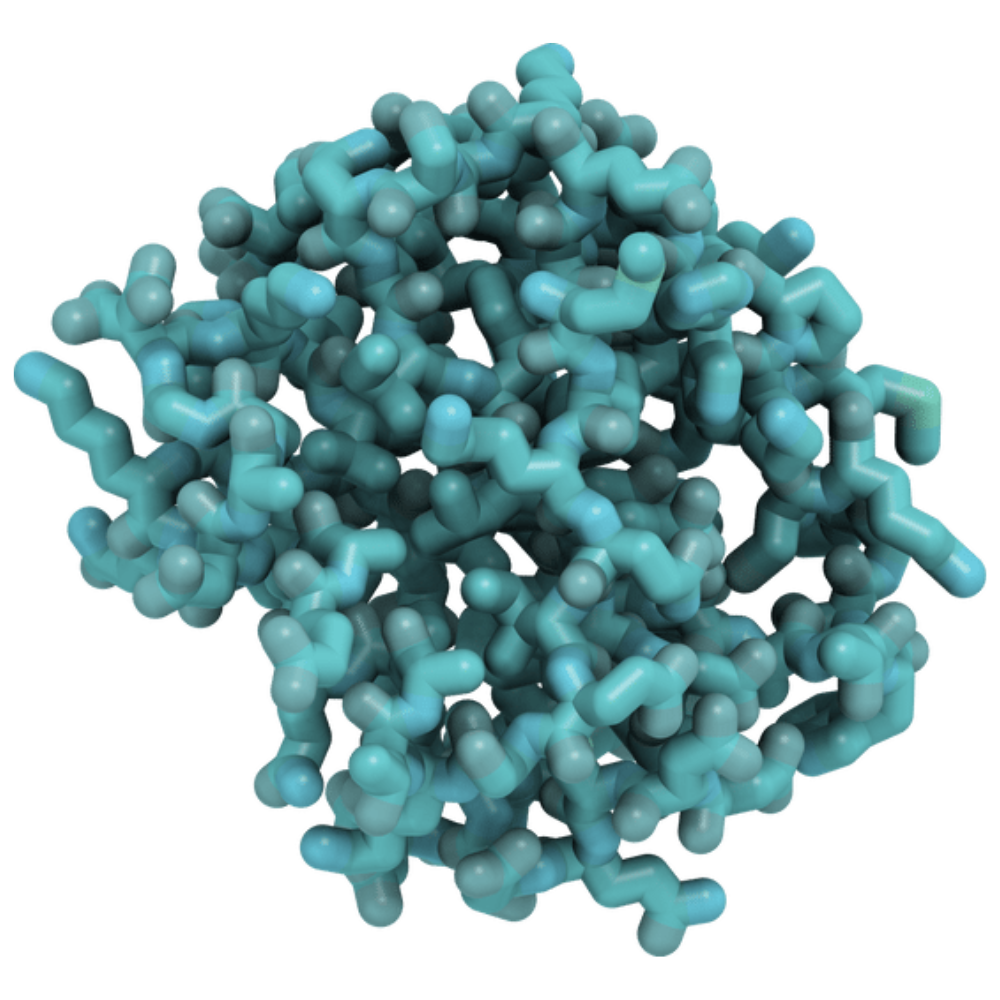
Synergy Between Theory and Practice in Molecular Science

Bridging computational modeling and laboratory synthesis for innovation in organic, medicinal chemistry, and polymer chemistry.

The OCCAM Research Group operates at the convergence of computational chemistry, experimental organic synthesis, and advanced materials development.
Our mission is to bridge predictive in-silico methodologies with experimental validation, enabling faster, more sustainable, and more targeted innovation in molecular science.

We believe that the future of chemistry lies in a closed-loop approach, where computational predictions guide laboratory experiments, and experimental data refine computational models.

This synergy minimizes trial-and-error, accelerates discovery, and allows for the rational design of complex molecular systems with predetermined functions.

Research Vision

Our overarching research vision is to:

Accelerate

molecular innovation by integrating theory and practice in a continuous feedback cycle

Expand

the chemical space through rational design of molecules, polymers, and functional materials

Enhance

predictability in synthesis and property optimization via in-silico modeling and high-level quantum chemical methods

Promote

sustainable chemistry by developing resource-efficient methodologies and minimizing experimental waste

Core Research Area

Organic Synthesis

We design and implement novel synthetic methodologies to access complex organic molecules with high efficiency, selectivity, and sustainability.

Our work involves:

Development of chemo-, regio-, and stereoselective reactions.

Catalytic transformations, including organometallic and organocatalytic approaches.

Construction of functional scaffolds for advanced materials and bioactive compounds.

Applications extend to materials science, catalysis, and molecular engineering, where precise structural control is crucial.
Organic Chemistry
Medicinal Chemistry

Core Research Area

Medicinal Chemistry

Our medicinal chemistry program aims to transform molecular concepts into potential therapeutics.

We:

Design and synthesize bioactive small molecules.

Conduct structure-activity relationship (SAR) studies to identify key pharmacophores.

Apply lead optimization strategies to improve potency, selectivity, and pharmacokinetic profiles.

Integrate computational docking, molecular dynamics, and free energy calculations to guide synthetic priorities.

This dual in-silicoin vitro approach ensures that candidate molecules are both theoretically promising and experimentally validated.

Core Research Area

Polymerization Chemistry

We explore innovative polymerization strategies to create materials with tunable architectures and functionalities.

Research directions include:

Step-growth and chain-growth polymerization.

Incorporation of functional groups to enable stimuli-responsive behavior.

Development of bio-based and recyclable polymers for sustainable applications.

Control over polymer topology, dispersity, and molecular weight distribution through predictive modeling and experimental fine-tuning.

Our goal is to deliver advanced polymeric systems for applications in biomedicine, sensing, and smart materials.

Polymerization Chemistry
In Silico Molecular Design

Core Research Area

In-Silico Molecular Design

Our computational research provides the predictive framework for experimental activities, using:

Quantum chemistry (DFT, ab initio) to explore reactivity, mechanisms, and energy landscapes.

Molecular dynamics for structural and conformational analysis.

Machine learning and AI-driven models to predict molecular properties and optimize reaction pathways.

Virtual screening of large chemical libraries to prioritize synthesis targets.

By identifying the most promising molecular candidates before they reach the bench, we reduce experimental inefficiencies and accelerate discovery timelines.

Impact and Collaborations

The integration of computational and experimental expertise positions OCCAM as a hub for interdisciplinary collaboration.

Our work has potential impact across:

Drug discovery

From hit identification to preclinical candidates.

Advanced materials

Functional polymers, catalysts, and molecular devices.

Green chemistry

Reducing waste and resource consumption through predictive design.

We actively collaborate with academic institutions, research consortia, and industrial partners to translate fundamental research into real-world applications.